
September 2026 (ROTM#2013) Boat Beach, NSW, Australia
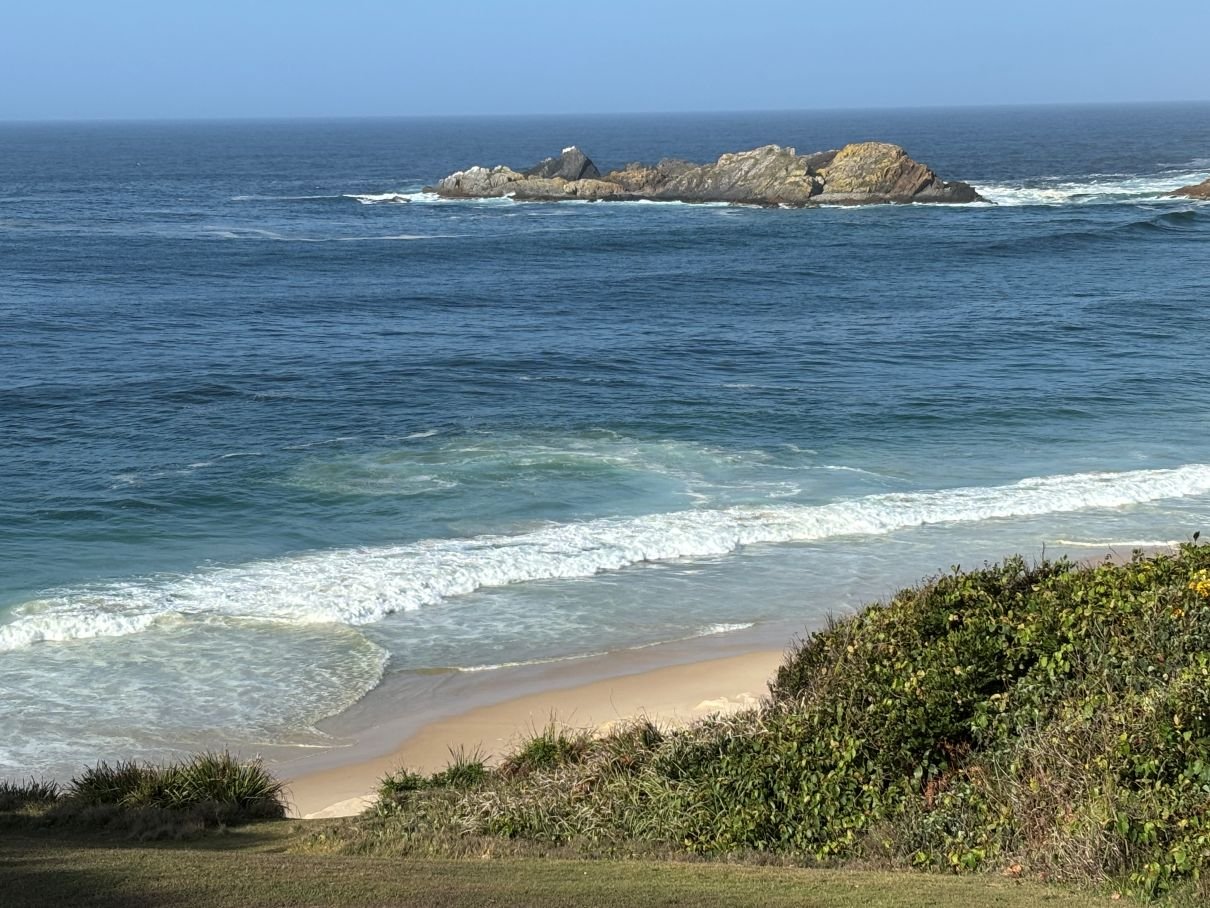
This rip was quick as a flash
Flash rips are the hardest rips to spot and also capture on camera. That’s because they form both randomly and quickly and don’t last for very long. They are also formed and look completely different to the classic channelised rip current and don’t conform to the ‘white is nice, green is mean’ mantra that I like to promote. You can see that in this photo where the rip is actually the whitish, sandy turbulent stream of water heading out from the shoreline and curling around to the left. So how do they form?
Well, it’s all related to breaking waves. Waves are not always the same size and if you get a few random large waves that break, or a group of larger waves (a wave set), those waves raise the water level locally when and where they break and force an offshore flow – a rip current. The rip may last a minute or so before disappearing completely.
They are called ‘flash rips’ because they can randomly pop up and disappear all along the beach – because the waves that are coming in are also random. In some ways they are more dangerous than other types of rips because they are just so unpredictable, but the very few measurements of flash rips have shown that they don’t flow as fast and as far offshore. But they can still take you offshore out of your depth.
I took this picture at Boat Beach at Seal Rocks on the NSW mid-coast and despite visiting there and swimming many times, this is the first time I’d seen a flash rip at the beach! There’s also fantastic snorkeling around the island and if you’re lucky you’ll see a colony of grey nurse sharks.